Cargo Tanks & Tankers
Clean tanker barrels between loads to protect product purity.
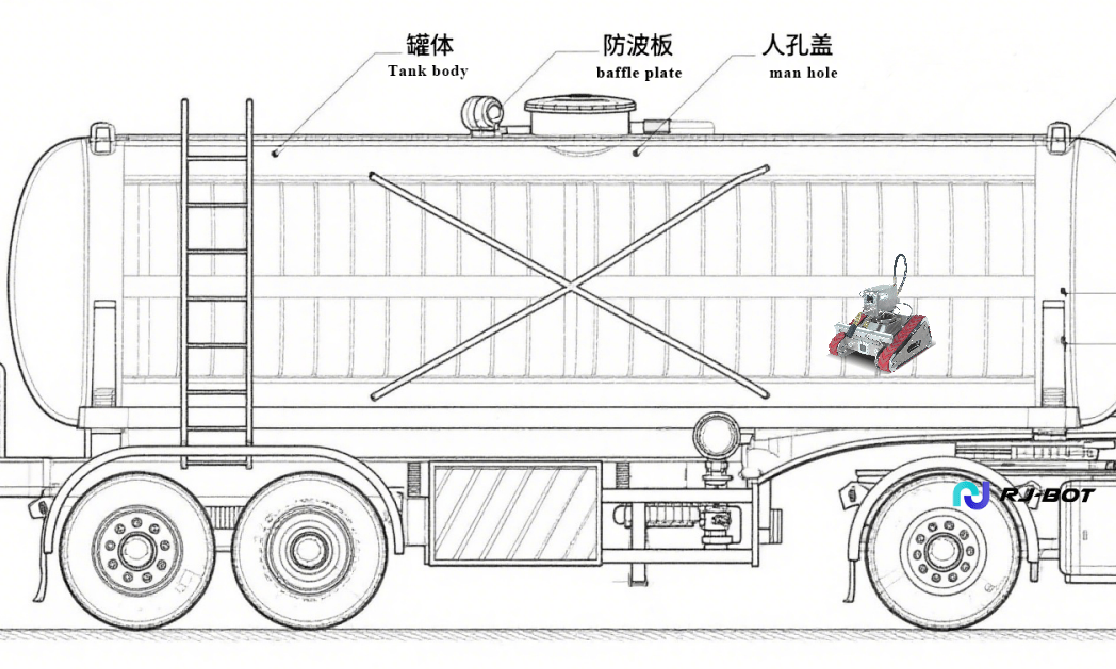
Road tankers, cargo tanks and ISO tanks carry different products on consecutive trips, so every product switch starts with a clean barrel. Residue from the previous load — heavy oil, wax, syrup, chemicals — can contaminate the next one, trigger a reaction, or invalidate a food-grade status. The S6 tank cleaning robot cleans the interior from the manway with up to 200-bar jetting and a 360° nozzle that reaches baffles, sumps and fittings, driven by a single operator with live camera views. Turnaround is measured in hours, not days, and the camera record supports the cleaning verification many operators require before the next load. Hazardous cargos with volatile fuels or flammable atmospheres require a separate engineering and certification review.
Safety boundaries apply.
- The S6 is not explosion-proof and carries no ATEX / Ex certification.
- Current application scope covers non-flammable and non-explosive tank materials and residues only.
- Flammable, explosive or hazardous atmospheres require project-specific engineering and certification review before any use.
- For chemical tanks, compatibility must be assessed for each chemical, concentration and temperature before cleaning.
Tell us your tank material, contents and atmosphere conditions — our engineers will assess suitability before making any recommendation.
Every Load Change Is a Cleaning Job.
Manual entry cleaning of these tanks carries real, compounding costs.
Product Purity
Residue from the previous cargo can contaminate the next one — and reject a whole shipment at the receiver.
Long Turnaround
Manual barrel cleaning ties up vehicles and containers for hours between loads, and delays cascade through the logistics chain.
Crew Hazard
Crews working inside the barrel face confined-space and chemical-exposure risks.
Food-Grade Risk
A single unverified clean can invalidate food-grade status and block the next load.
Every Product Switch Starts With a Clean Barrel
Road tankers, cargo tanks and ISO tanks carry different products on consecutive trips. Residue from the previous load — heavy oil, wax, syrup, chemicals — can contaminate the next one, trigger a reaction, or invalidate a food-grade status. That is why a wash is a scheduled step in every product changeover.
What a Poor Wash Costs
Cleaning quality also has to be proven. Many operators need a documented verification before the next load can be loaded, and a poorly cleaned tank can reject an entire shipment at the receiver. A missed corner or a sticky sump can undo a whole logistics chain worth of planning.
Faster Cleaning Between Loads
The S6 cleans the interior from the manway, using up to 200-bar jetting and a 360° nozzle to reach baffles, sumps and fittings that are hard to cover manually. Operators drive from outside with live camera views, and the camera record supports your cleaning verification.
Verification That Stands Up at the Receiver
Because the S6 documents each cleaning pass on camera, you can show — not just claim — that the barrel is clean before the next load. That record supports food-grade status, carrier inspections and receiver checks alike.
Fitting the S6 Into Your Wash Bay Workflow
The S6 sets up through the manway with no tank modification, so it fits existing wash bay layouts and turnaround schedules. One operator handles the whole clean, and the robot is ready for the next barrel as soon as the tank is released.
Application Review
Because the S6 is verified for non-flammable and non-explosive contents, hazardous cargos — volatile fuels, flammable atmospheres — require a separate engineering and certification review. Tell us your previous and next product, and our engineers will confirm suitability and plan the cleaning profile.
The S6 Turns It Around — In Hours.
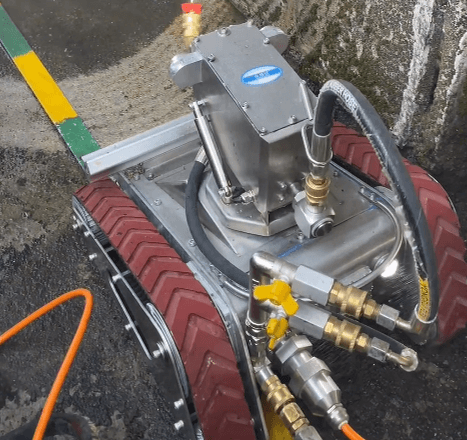
The S6 cleans the tank interior remotely from the manway, using up to 200-bar jetting and a 360° nozzle to strip residue fast. Operators drive from outside with live camera views — turnaround measured in hours, not days, and documented for the next load. Baffles, sumps and fittings that are hard to cover manually are reached by the rotating nozzle, and the camera record supports the cleaning verification your next cargo demands.
What the S6 Brings to This Job.
The same robot, tuned to your industry — no entry, full coverage, verified results.
Protect Purity
Thorough residue removal between loads keeps product quality consistent for the next cargo.
Cut Turnaround
Rapid setup and continuous remote cleaning get the tank back in service faster.
No Crew Inside
Cleaning is done from the manway with camera verification, reducing the need for entry in suitable applications.
Reach Every Corner
The tracked chassis and rotating nozzle clean baffles, sumps and internal fittings.
Documented Clean
Camera records support the cleaning verification required before the next load.
From Inspection to Verified Clean.
A proven four-step process that turns a hazardous cleaning job into a routine remote operation.
Inspect
Review the previous cargo and tank layout to plan the cleaning pass and set pressure and coverage.
Deploy
Insert the S6 through the manway and confirm camera and jet status before cleaning.
Clean
Jet the interior in passes, reaching baffles and sumps with the 360° nozzle until residue is gone.
Verify
Camera-check for residue and release the tank for the next load with documented results.
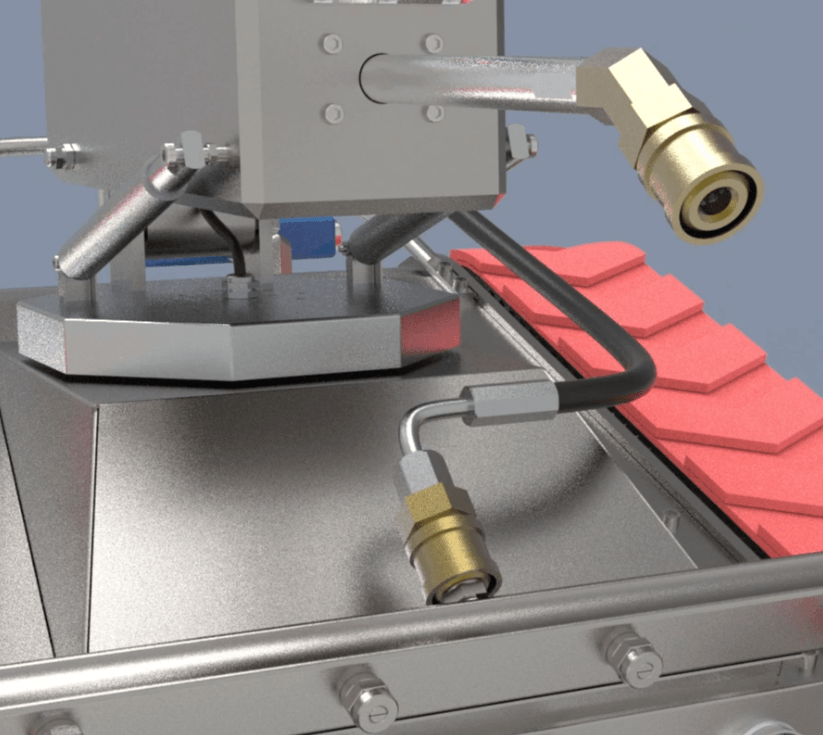
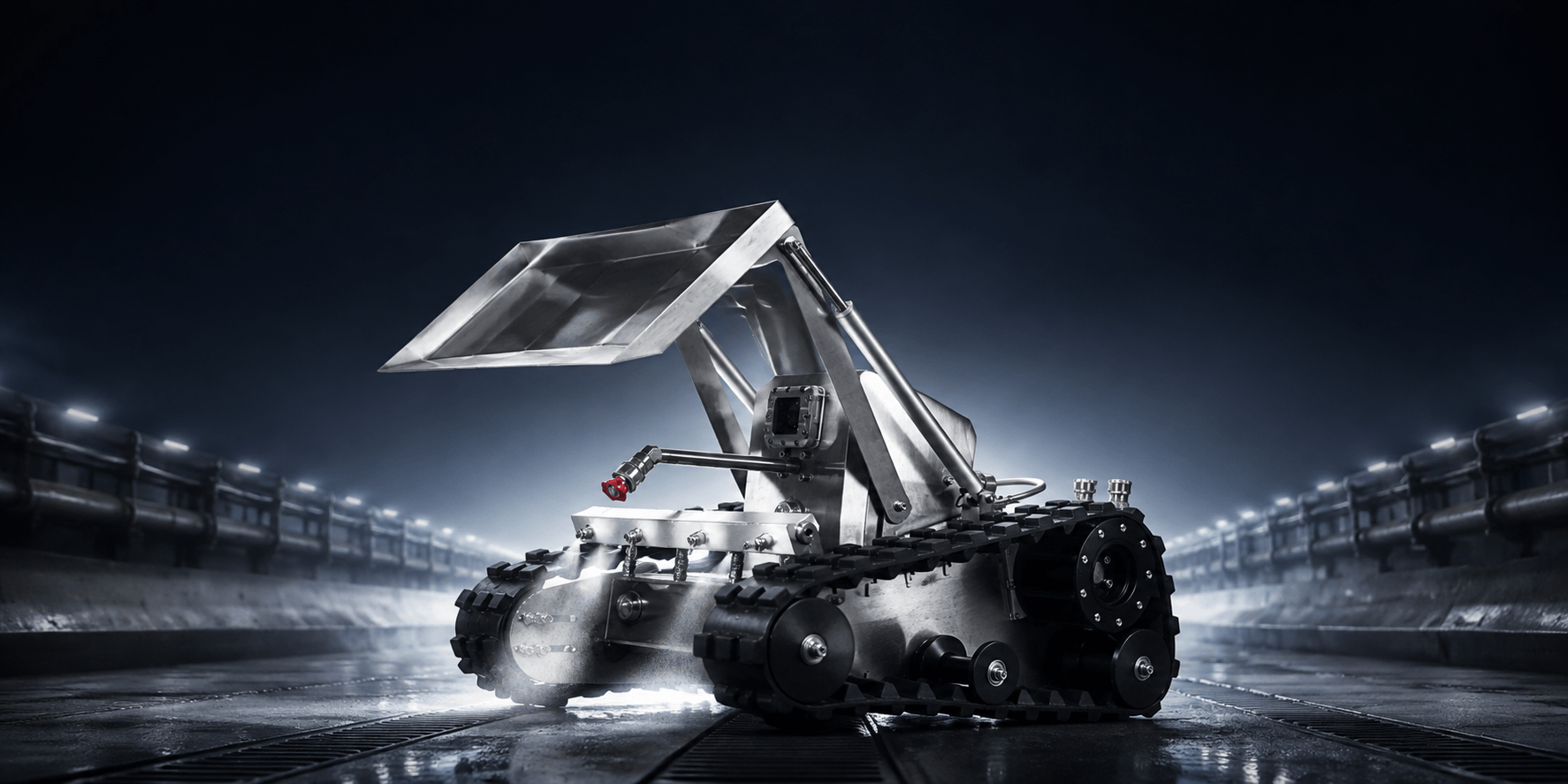
S6 Tank Cleaning Robot.
A tracked, remote-controlled high-pressure tank cleaning robot with 360° nozzle coverage, three HD cameras and IP66 rating — engineered for the environments above.
Explore Other Industries.
Clean Your Tanks Remotely.
No Entry Required.
Tell us about your tanks — size, contents and access — and we'll recommend the right S6 setup for your operation.
S6 is built for non-flammable, non-explosive tank environments. Always confirm material and safety conditions with our engineers.