

Practical Knowledge for
Cleaner, Safer Tanks.
Guides, safety notes and buying advice from the TankSolv team — written for operators who run tanks for a living.
 Guide
Guide
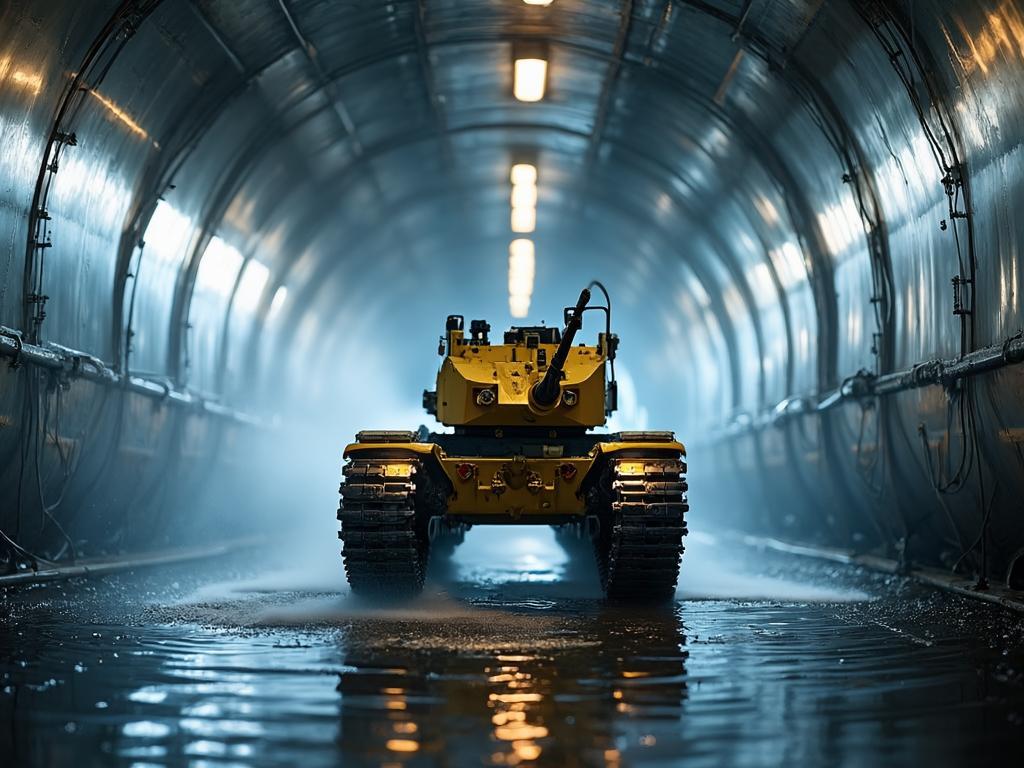
How the RJ-BOT S6 Navigates Complex Tank Interiors: A Technical Explainer on Obstacle Handling
See how the RJ-BOT S6 tracked tanker cleaning robot navigates obstacles inside road tankers and cargo tanks for product-switch cleaning.
Read article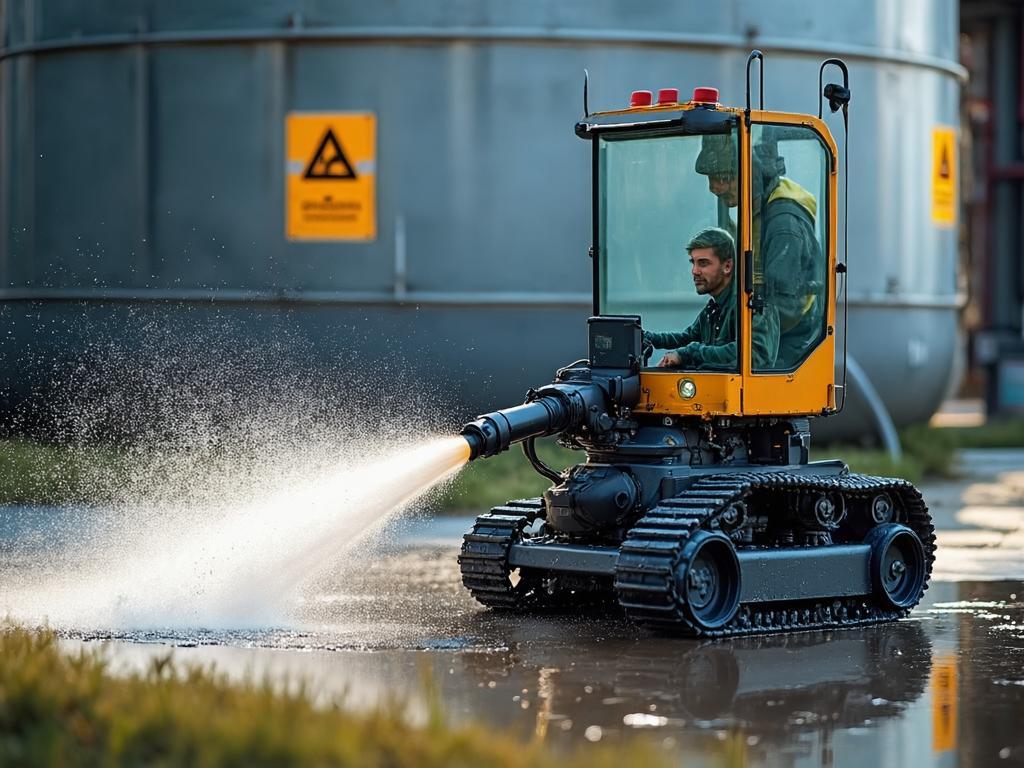 Guide
Guide
Why remote-controlled cleaning improves confined-space safety in crude oil storage tanks
Remote tank cleaning helps crude oil storage tank operators reduce confined-space entry and manage sludge removal with high-pressure jetting, inspection and cleaning reports.
Read article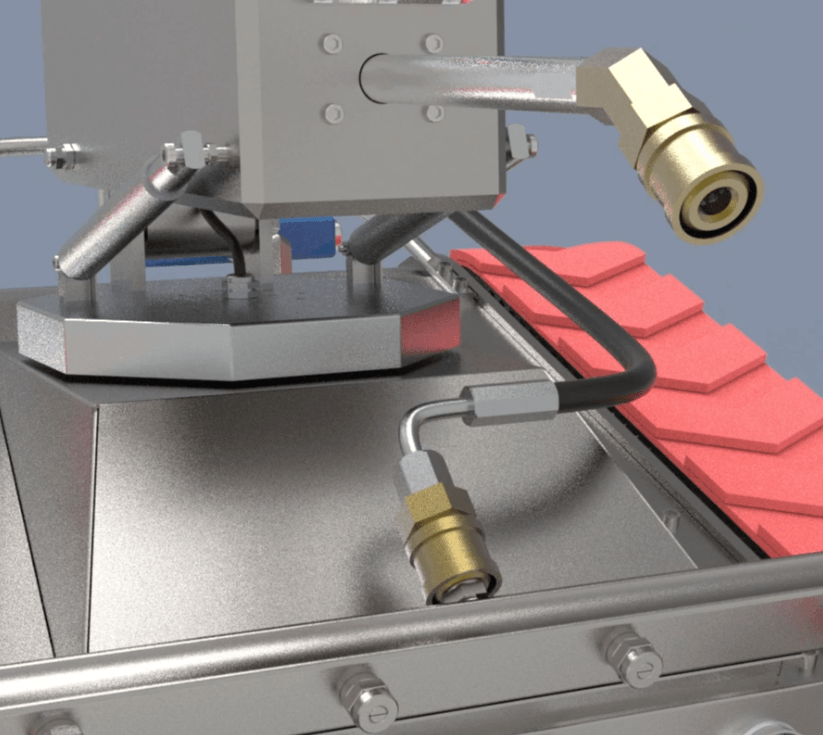 Buying
Choosing a Robot: Key Specs
Working pressure, coverage, cameras and cable reach — the four specs that decide whether a robot can actually clean your tanks.
Read article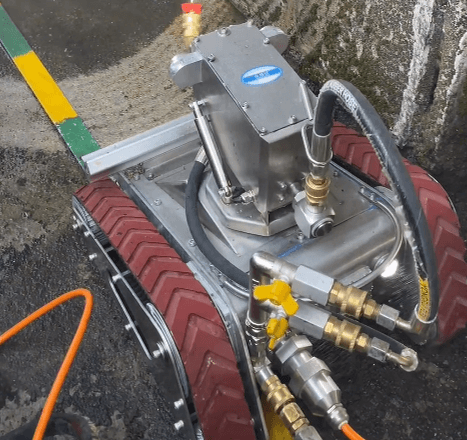 Safety
Why No-Entry Tank Cleaning Matters
Confined-space entry is the biggest single risk in tank maintenance. Remote cleaning removes the crew from the atmosphere entirely.
Read article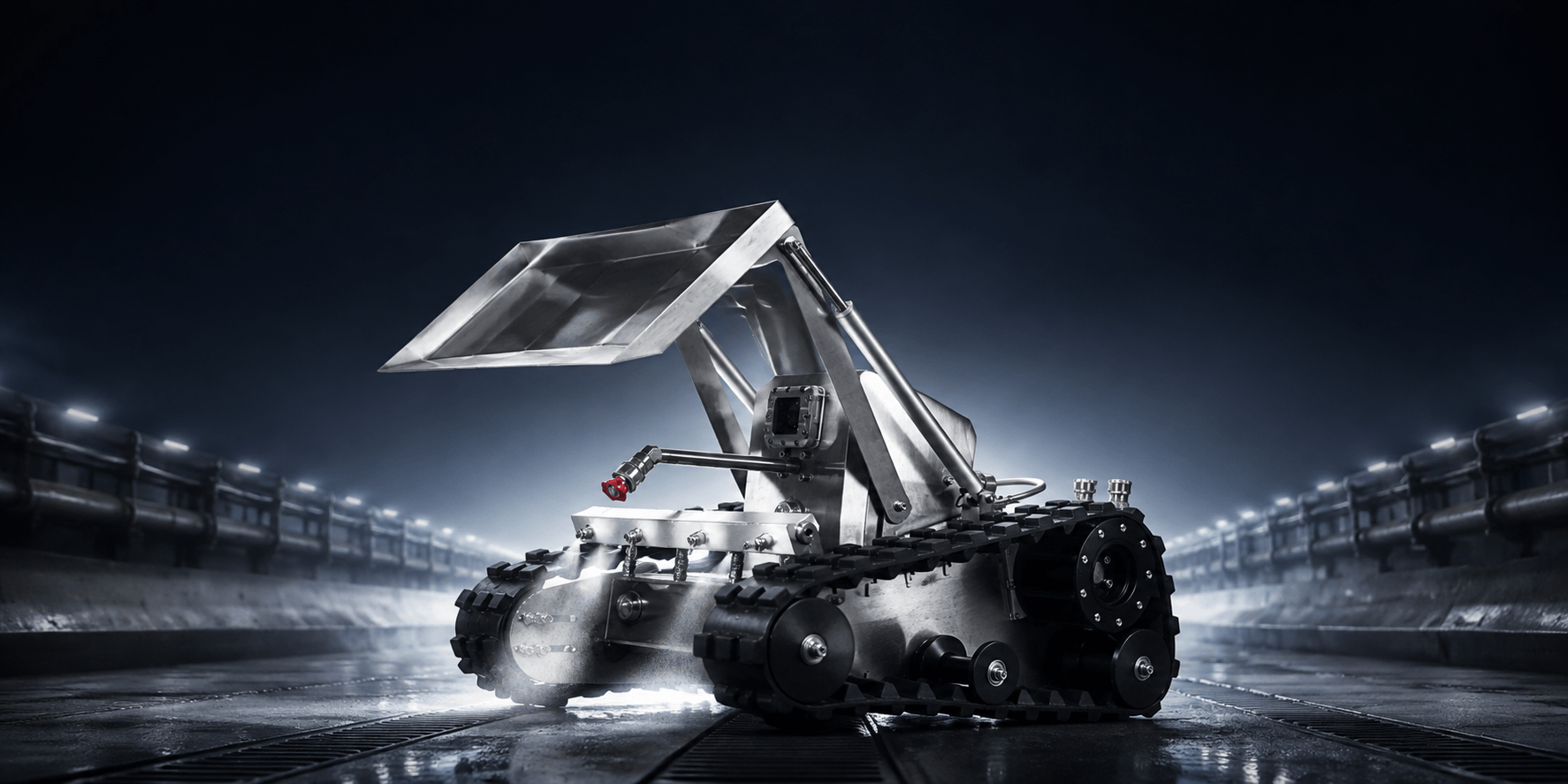 Guide
Guide
How Tank Cleaning Robots Work
A step-by-step look at how a tracked, high-pressure robot navigates enclosed tanks and removes residue — without a single person going inside.
Read article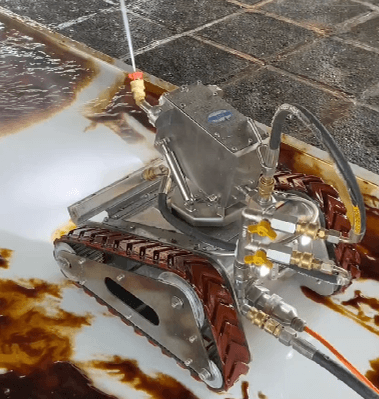 Safety
Confined Space Rules, Explained
Permits, gas testing, standby crews — a plain-language look at what confined-space entry rules actually require, and where robots change the picture.
Read article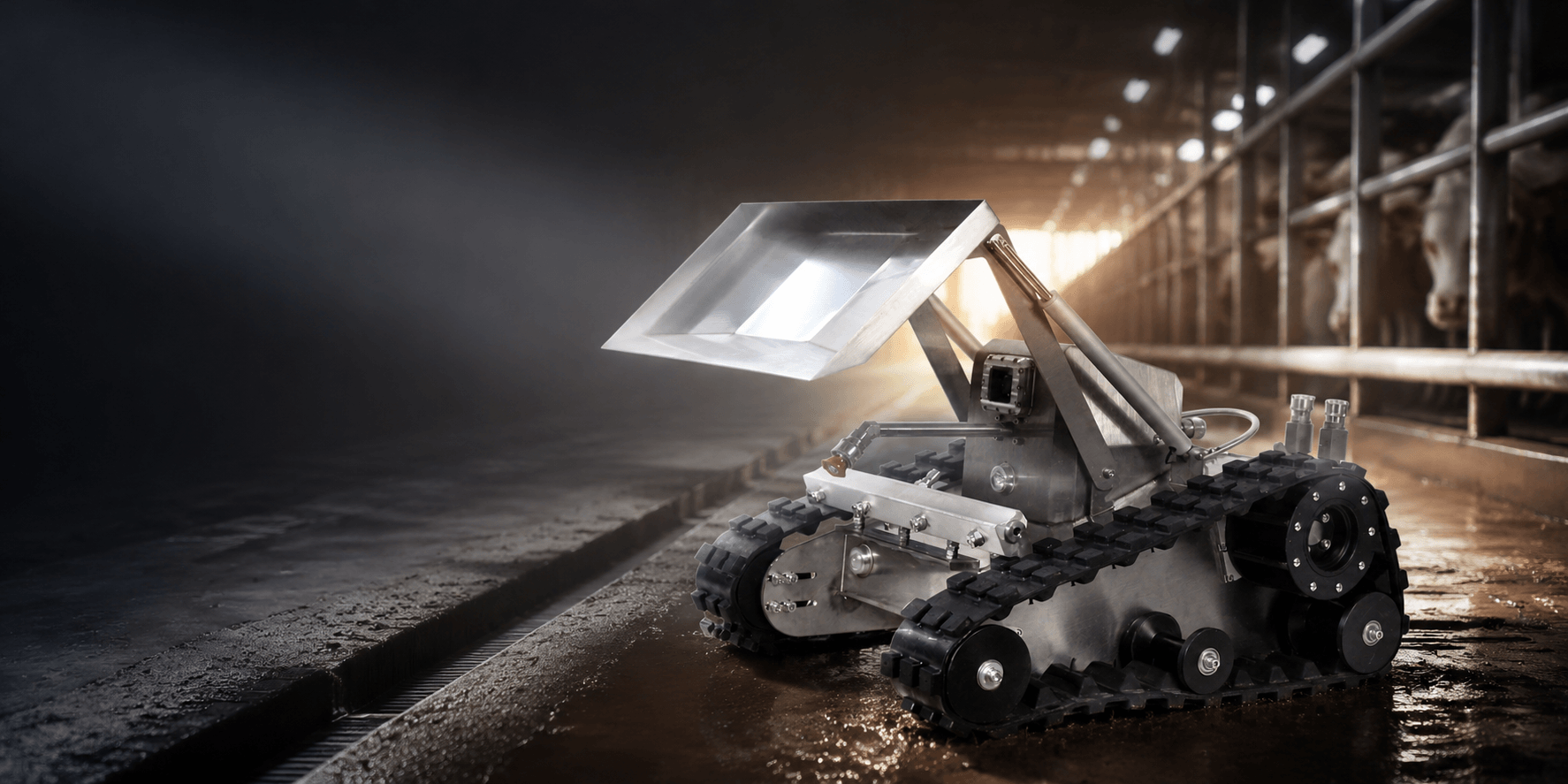 Guide
Guide
High-Pressure Jetting, Explained
How 200-bar water jetting breaks down sludge and scale — and why the nozzle matters as much as the pump.
Read article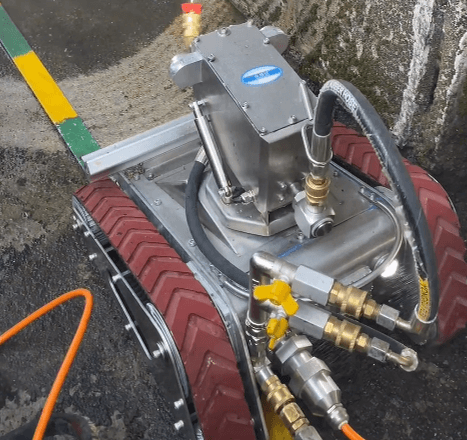 Buying
S6 vs. Manual Cleaning: The Numbers
Downtime, crew hours and repeat jobs — what a tracked robot changes compared with manual tank cleaning.
Read articleClean Your Tanks Remotely.
No Entry Required.
Tell us about your tanks — size, contents and access — and we'll recommend the right S6 setup for your operation.
S6 is built for non-flammable, non-explosive tank environments. Always confirm material and safety conditions with our engineers.