

What the Rules Require
Confined-space rules typically require four things before anyone enters a tank: a documented permit, atmosphere testing, a trained attendant outside, and a rescue plan.
Each requirement exists because a tank is a space where the atmosphere can kill — and where help may not reach a worker in time.
Where the Costs Hide
Compliance is not free. Gas-freeing a tank, setting up ventilation, rotating confined-space crews and staging rescue equipment all add hours and cost to a cleaning job.
For many operators, those overheads are why cleaning gets deferred — until a tank bottoms out and the work becomes urgent.
How a Robot Changes the Picture
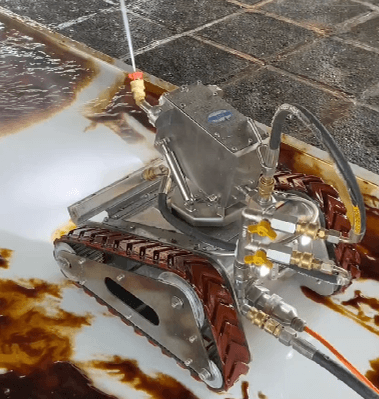
A no-entry robot does not remove the permit system — it removes the reason most permits exist. If no one enters the tank, the confined-space entry process is largely set aside.
Atmosphere risks, rescue plans and standby crews become the edge case instead of the default. Cleaning can start as soon as the robot is on site.
Rules for entering tanks exist for good reason. The smarter move is to not need them at all.