Chemical Plants
Residue removal with a chemical-compatibility review before every job.
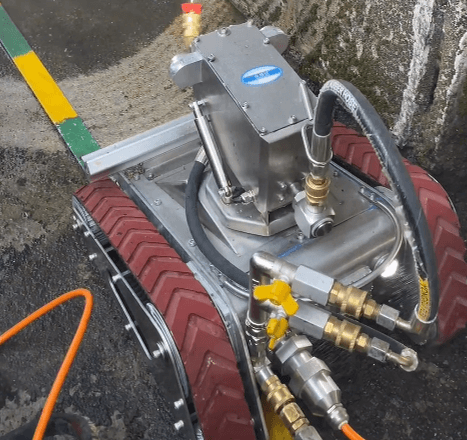
Chemical storage tanks, reactors and mixers accumulate polymer films, precipitated salts, crystallized residues and sticky deposits — some of them toxic, corrosive or reactive. Cleaning must remove the residue without damaging the vessel and without exposing people to the chemistry. The S6 tank cleaning robot performs residue removal remotely, behind a material and chemical-compatibility review completed before every job. The sealed, IP66-rated stainless robot enters through the vessel opening, reaches corners and fittings with a 360° nozzle, and documents the finished clean on HD cameras for your next campaign. The S6 carries no ATEX or explosion-proof certification; hazardous areas require a project-specific engineering and certification review before use.
Safety boundaries apply.
- The S6 is not explosion-proof and carries no ATEX / Ex certification.
- Current application scope covers non-flammable and non-explosive tank materials and residues only.
- Flammable, explosive or hazardous atmospheres require project-specific engineering and certification review before any use.
- For chemical tanks, compatibility must be assessed for each chemical, concentration and temperature before cleaning.
Tell us your tank material, contents and atmosphere conditions — our engineers will assess suitability before making any recommendation.
The Stakes of a Chemical Residue.
Manual entry cleaning of these tanks carries real, compounding costs.
Hazardous Atmosphere
Residues can be corrosive, reactive or toxic. Entry demands elaborate permits, PPE, gas testing and exposure monitoring that slow every job.
Batch Contamination
Polymer films, precipitated salts and sticky deposits left in corners or fittings compromise the purity of the next campaign.
Slow Turnaround
Manual vessel cleaning stretches campaign intervals and keeps production waiting on the wash bay.
Vessel Damage
Aggressive or wrong cleaning methods can damage linings and fittings — especially on glass-lined and coated vessels.
Chemical Vessels Need Cleaning That Matches the Chemistry
Reactors, mixers and chemical storage tanks pick up polymer films, precipitated salts, crystallized residues and sticky deposits — some of them toxic, corrosive or reactive. Cleaning has to remove the residue without damaging the vessel and without exposing people to the chemistry. A cleaning method that suits one chemical campaign can be exactly wrong for the next.
Why Manual Cleaning Is Risky and Slow
Manual cleaning means entering a vessel that may hold hazardous atmospheres, under permit-to-work and PPE rules, often with chemical exposure limits to manage. It is slow — and the residue left behind in corners and fittings can contaminate the next batch or attack the vessel lining over time.
Cleaning With a Compatibility Review First
Every S6 job starts with an engineering review: the vessel material, the residue chemistry and the cleaning profile are checked before the robot is deployed. The sealed, IP66-rated S6 then cleans from outside, using its 360° nozzle to reach corners and fittings, while operators watch on HD cameras from a safe distance.
How the S6 Behaves in a Chemical Plant
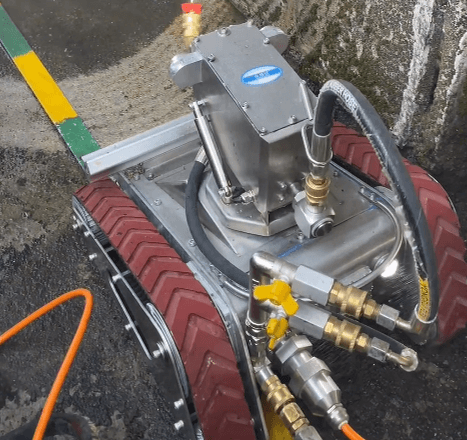
The S6 is built to survive washdown: a 304/316L stainless frame sealed to IP66 shrugs off splash and cleaning chemicals. Pressure and speed are profiled to the job, so a sensitive glass-lined vessel is treated differently from a heavy salt-encrusted reactor — without changing the robot.
Documenting the Clean for Your Next Campaign
Cleanliness verification matters between campaigns. Camera inspection produces a documented record of the finished vessel — surfaces, fittings and corners — so the next batch starts from a known, clean state and your quality records are complete.
Engineering Review, Not Guesswork
We do not publish chemical compatibility tables without engineering sign-off, and the S6 carries no ATEX or explosion-proof certification. Chemical and hazardous-area projects require a project-specific engineering and certification review before use — tell us the chemical, its concentration, the temperature and the tank atmosphere, and our engineers will assess suitability first.
The S6 Cleans It — Safely, From Outside.
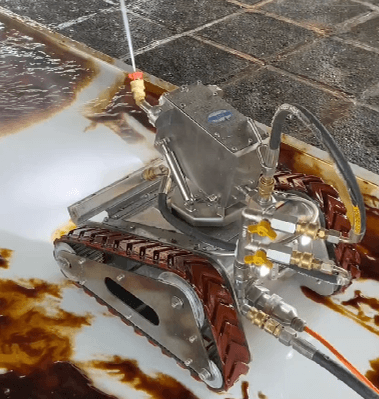
Before each job, engineers review the vessel material and residue chemistry to confirm compatibility and set the cleaning profile. The sealed, IP66-rated S6 then cleans remotely while operators watch from a safe distance. Chemical compatibility and hazard reviews stay in the hands of your engineers and ours — before the robot is ever deployed. In suitable applications there is no confined-space entry and no manual scraping. The 360° nozzle reaches corners and fittings where residue hides, and camera records document the finished vessel for the next campaign.
What the S6 Brings to This Job.
The same robot, tuned to your industry — no entry, full coverage, verified results.
Compatibility Review
Vessel material and residue chemistry are checked before every job to set a safe pressure, speed and cleaning profile.
Sealed & IP66
The sealed 304/316L build shrugs off splash, washdown and cleaning chemicals in chemical environments.
Batch-Clean Coverage
360° nozzle rotation reaches the corners and fittings where residues hide between campaigns.
People Stay Out
In suitable applications there is no confined-space entry and no manual scraping — operators work from a safe distance.
Documented Handover
Camera inspection produces a cleanliness record for the next campaign and your quality files.
From Inspection to Verified Clean.
A proven four-step process that turns a hazardous cleaning job into a routine remote operation.
Review
Check vessel material and residue chemistry, then set a compatible pressure and speed profile before deployment.
Deploy
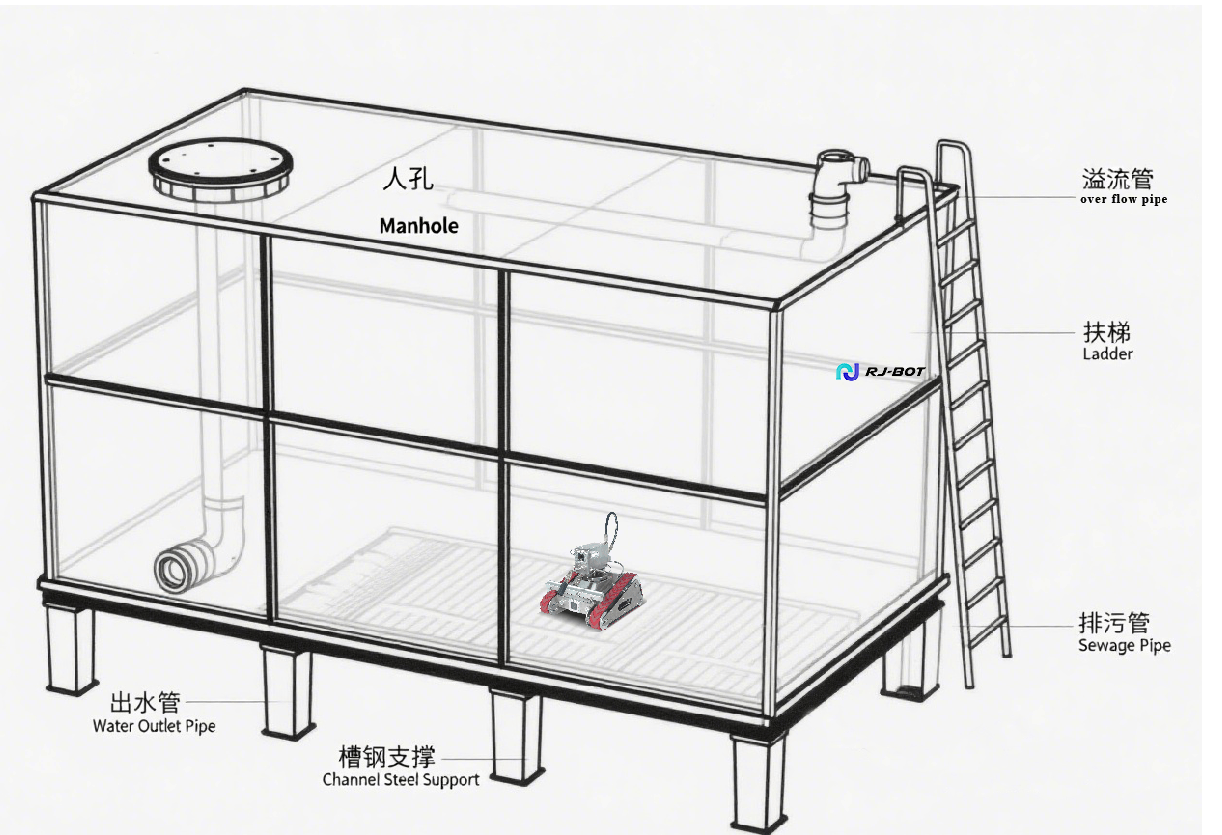
Insert the S6 through the vessel opening and confirm the sealed unit and camera feeds are ready.
Clean
Rotate the 360° nozzle across the shell and fittings until residue is removed, watching coverage live.
Hand Back
Camera-inspect the finished vessel and document cleanliness for the next campaign and your quality records.
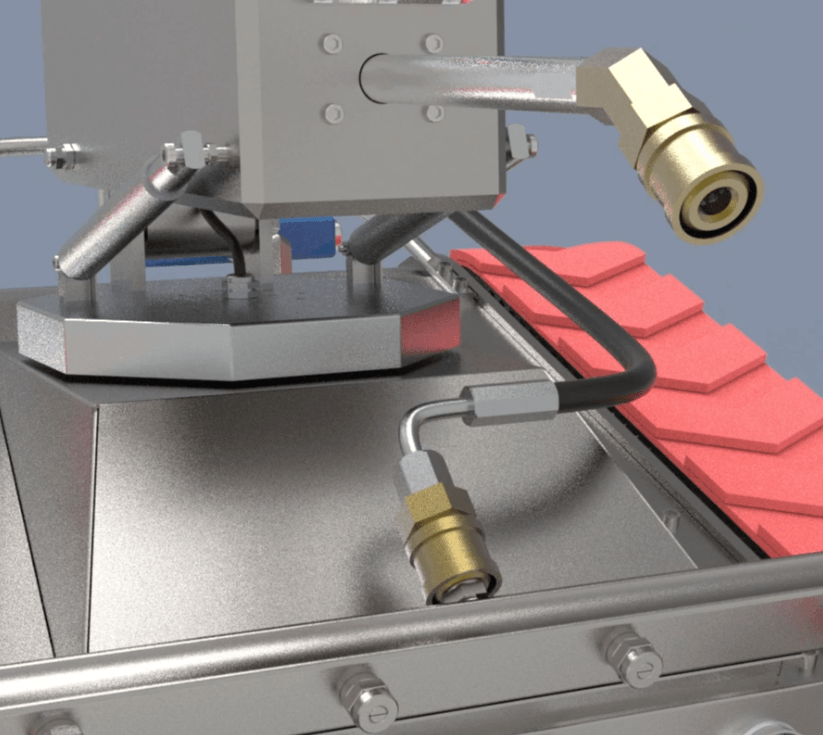
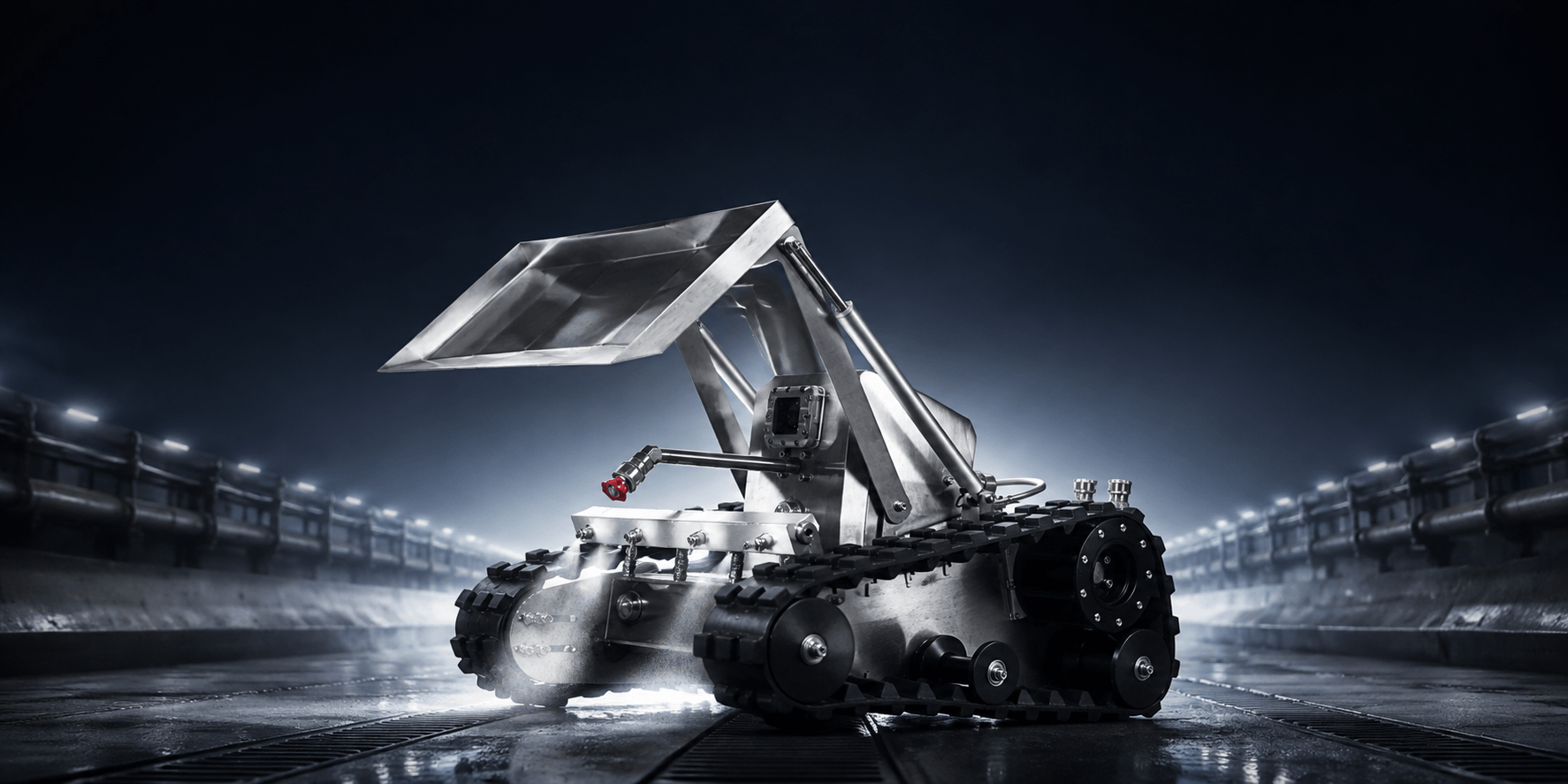
S6 Tank Cleaning Robot.
A tracked, remote-controlled high-pressure tank cleaning robot with 360° nozzle coverage, three HD cameras and IP66 rating — engineered for the environments above.
Explore Other Industries.
Clean Your Tanks Remotely.
No Entry Required.
Tell us about your tanks — size, contents and access — and we'll recommend the right S6 setup for your operation.
S6 is built for non-flammable, non-explosive tank environments. Always confirm material and safety conditions with our engineers.