Start With Working Pressure
Pressure is what actually removes residue. A robot rated at 200 bar handles hardened sludge and scale; a lower-rated unit only skims the surface.
Match the pressure to your hardest residue — it is cheaper to buy the capability once than to find out later that the robot is underpowered.
Coverage Comes From the Nozzle
A fixed nozzle cleans a strip; a rotating 360° nozzle cleans a full surface. For tanks with baffles, welds and fittings, full coverage is the difference between a clean tank and a clean-looking tank.
Look for nozzle designs that reach corners without the operator repositioning the robot by hand.
See the Job, Verify the Result
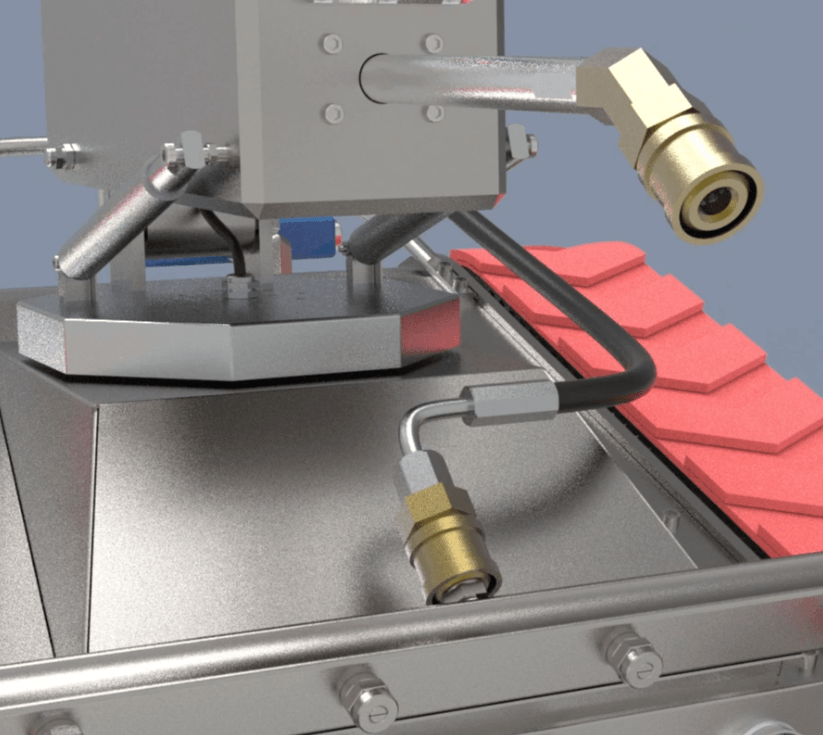
HD cameras are not a convenience — they are how you verify that cleaning is done. Three cameras give the operator a view of the nozzle, the surface and the residue in real time.
Without live video, cleaning becomes guesswork, and you discover the truth only when the tank is back in service.
Cable Reach and Climb Ability
The cable sets your operating range: a 60 m cable covers most tanks, while large or remote layouts need more. Climbing ability matters when the floor is not flat.
A tracked chassis with 30° climbing capability moves through settled sediment instead of around it — and that is often the hardest part of the job.
Compare pressure, nozzle, cameras and cable — those four specs determine whether the robot works on your tanks or stays in the crate.